Stephen Wolfram
Wolfram Research
Founder of Wolfram Research and creator of Mathematica and Wolfram|Alpha. His book A New Kind of Science investigates the complex behavior that can emerge from simple computational rules.
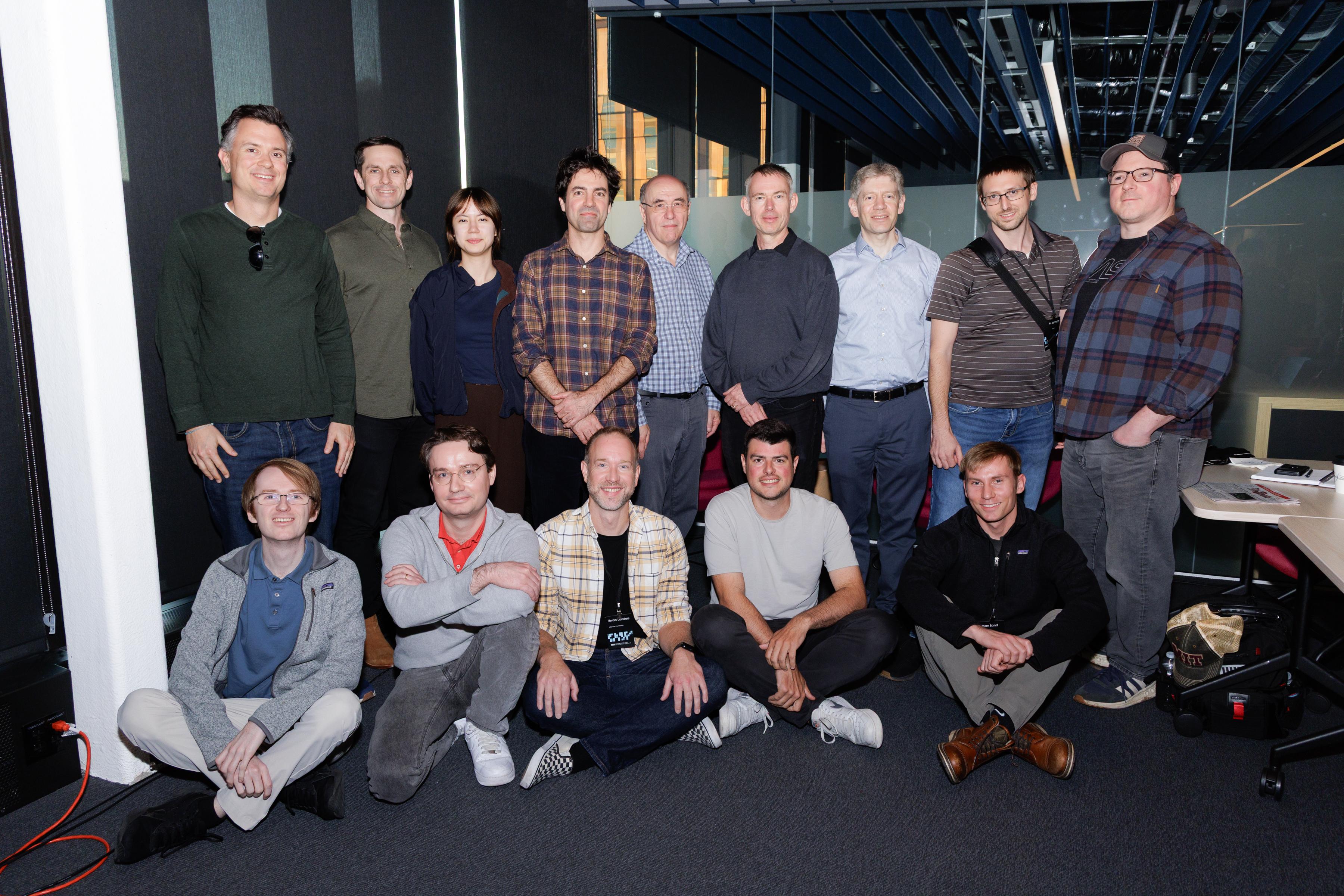
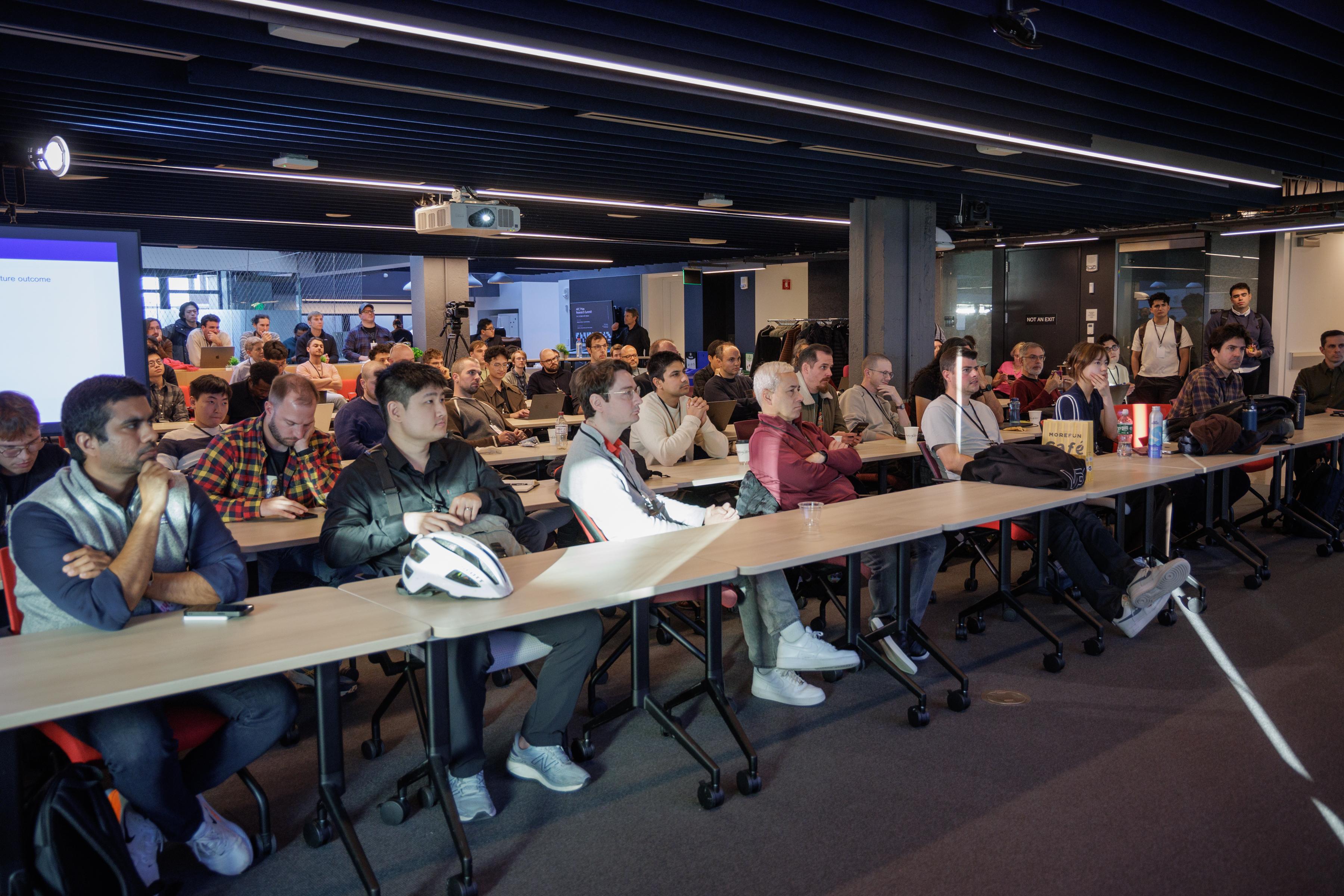
Boston, Massachusetts · October 23, 2026
Frontier AI systems are increasingly neither purely deep learning nor purely symbolic. The most promising advances are emerging at the intersection of these paradigms, where neural networks, program synthesis, and formal reasoning can combine in novel ways.
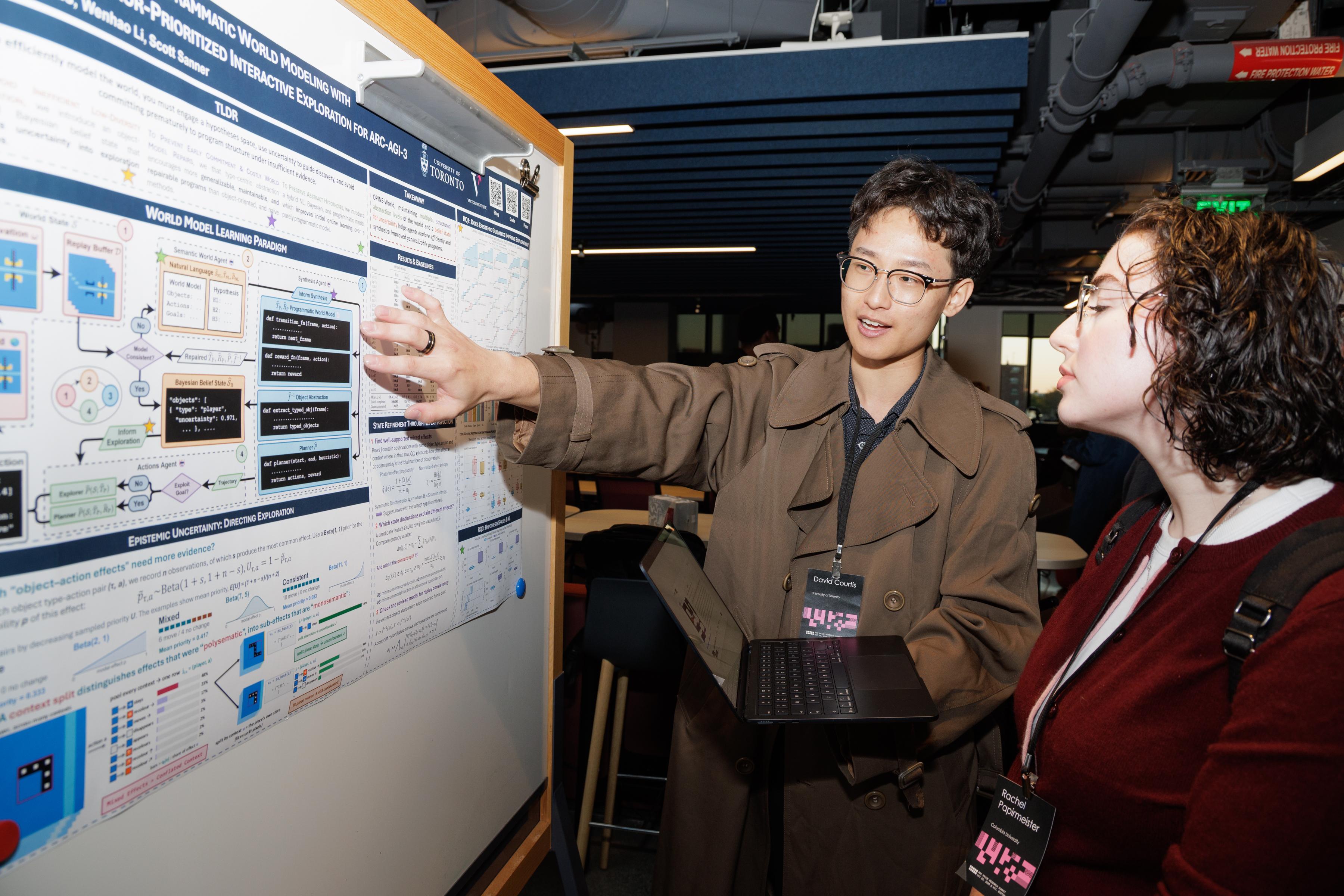
The ARC Prize Research Summit is a forum for researchers advancing this frontier.
Hosted by the ARC Prize Foundation in collaboration with MIT.
Wolfram Research
Founder of Wolfram Research and creator of Mathematica and Wolfram|Alpha. His book A New Kind of Science investigates the complex behavior that can emerge from simple computational rules.
Lila Sciences
Researcher in neuroevolution and open-ended AI, co-creator of NEAT and novelty search, and co-author of Why Greatness Cannot Be Planned.
Google DeepMind
Active learning of causal world models: the Model Discovery Agent combines probabilistic inference with language models to propose and learn causal explanations from data, guiding the experiments needed to test them.
Duke University
Lead author of PRO-LONG, a minimal framework that gives AI agents programmatic access to their full interaction history. The work explores how programmatic memory supports long-horizon reasoning while reducing token costs on ARC-AGI-3.
G-Research / INRIA
Weave of Formal Thought (WoFT) connects formal syntax with learned representations. The work combines constrained decoding and latent-variable fine-tuning to help language models use grammar as a structural scratchpad for reasoning.
ARC Prize Foundation / Ndea
François Chollet gave the opening remarks at the summit. He created Keras and the ARC-AGI benchmark and co-founded the ARC Prize Foundation and Ndea.